

Understanding USCIS policy updates is essential for anyone filing immigration applications inside the United States. Each year, thousands of otherwise eligible applicants face delays, requests for additional evidence, or denials—not because the law changed, but because USCIS updated how existing rules are interpreted and applied.
- What Are USCIS Policy Updates?
- How USCIS Announces Policy Changes
- Major USCIS Policy Updates in 2025–2026
- Immigration Policy Changes Affecting Application Procedures
- How USCIS Policy Updates Affect Processing Times
- USCIS Fees and Cost Implications
- How Applicants Should Respond to USCIS Policy Updates
- Applying Through USCIS Under Updated Policies
- Common Mistakes Applicants Make After USCIS Updates
- What USCIS Policy Updates Do Not Change
- Frequently Asked Questions (FAQ)
- Practical Guidance for USCIS Applicants in 2026
In 2026, these policy updates matter more than ever. The U.S. immigration system increasingly relies on internal guidance, policy manuals, and operational announcements to manage high application volumes, improve consistency, and reduce fraud. Applicants who fail to follow updated procedures often discover too late that they relied on outdated advice.
This article explains what USCIS policy updates are, how they are announced, which recent changes affect applicants, and how to adjust your application strategy to stay compliant in 2026. It is written specifically for applicants following USCIS procedures, including family-based applicants, workers, students, and others applying for immigration benefits from within the United States.
What Are USCIS Policy Updates?
USCIS policy updates are official instructions that guide how immigration officers interpret and apply U.S. immigration laws when reviewing applications. These updates do not create new laws. Instead, they clarify, refine, or adjust how existing laws are implemented in daily adjudications.
To understand this distinction clearly:
- Immigration law is passed by Congress
- USCIS policy explains how officers apply that law in practice
Policy updates influence:
- Evidence requirements
- Interpretation of eligibility criteria
- Interview standards
- Discretionary decision-making
- Case processing priorities
For applicants, this means that the same law can produce different outcomes over time, depending on how USCIS policy is applied at the moment a case is reviewed.
How USCIS Announces Policy Changes

USCIS communicates policy changes through several official channels. Understanding these channels helps applicants identify reliable information and avoid misinformation.
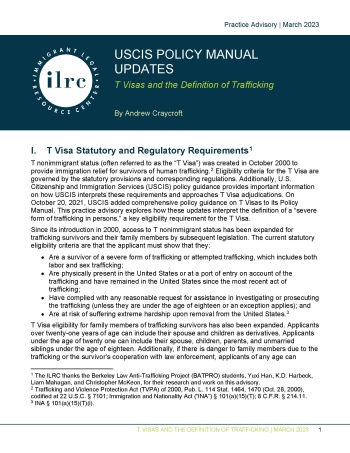
USCIS Policy Manual
The primary source of guidance is the USCIS Policy Manual. Updates to this manual:
- Take immediate effect unless stated otherwise
- Apply nationwide
- Guide officer adjudications
Policy Manual updates often clarify gray areas in the law rather than announce dramatic changes, but their impact on cases can be significant.
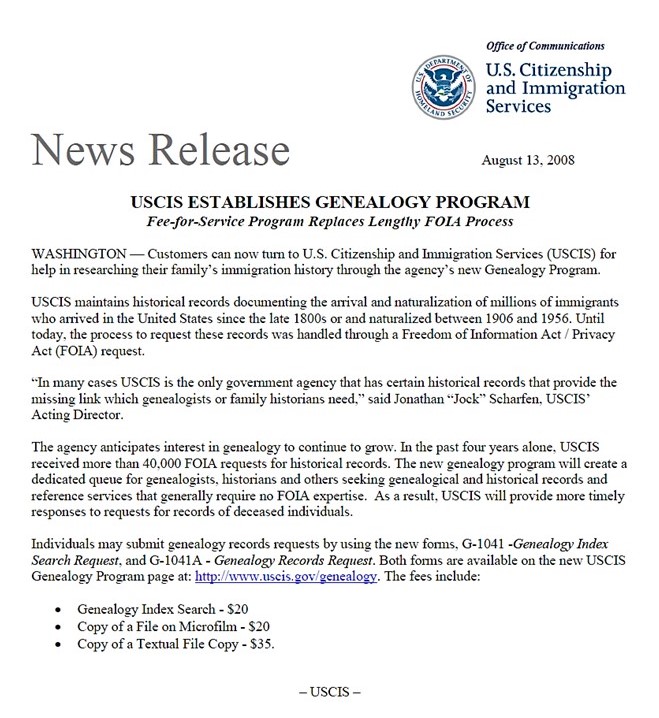
USCIS Announcements and Alerts
USCIS announcements may be published as:
- Policy alerts
- News releases
- Stakeholder updates
- Operational notices
These announcements explain:
- What has changed
- Who is affected
- When the update takes effect
Applicants should always check effective dates carefully, as some updates apply only to applications filed after a certain date.
Operational Guidance and Internal Instructions
Some policy changes are operational, meaning they affect:
- Case processing workflows
- Evidence review procedures
- Interview scheduling
- Biometrics handling
These updates may not appear dramatic on the surface, but they often influence processing times and evidence requests.
Major USCIS Policy Updates in 2025–2026

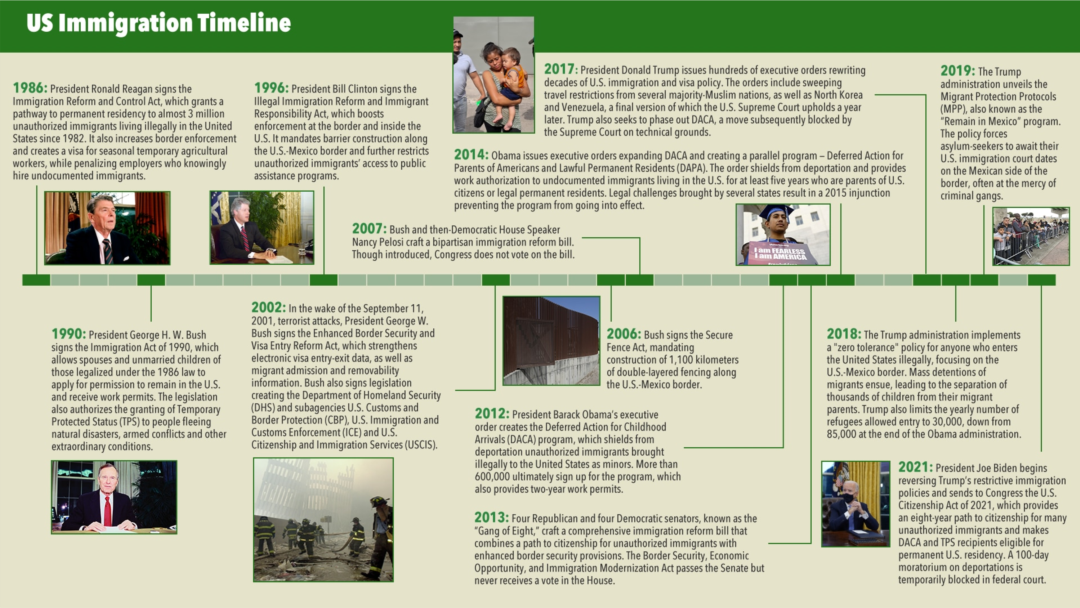
The 2025–2026 period has seen several important USCIS policy updates that affect applicants across categories.
Broad trends include:
- Increased emphasis on complete initial filings
- Higher scrutiny of eligibility claims
- Expanded use of digital filing systems
- Refined discretionary standards
Rather than introducing new benefits, these updates aim to standardize adjudications and reduce backlogs.
Who Is Most Affected by These Updates?
Applicants most impacted include:
- Adjustment of status applicants
- Employment-based applicants
- Family-sponsored immigrants
- Applicants with prior immigration history
- Repeat filers
Even applicants with strong cases must now meet stricter procedural expectations.
Immigration Policy Changes Affecting Application Procedures
Recent immigration policy changes focus heavily on how applications are prepared and submitted, not just on who qualifies.
Form and Filing Procedure Updates
USCIS has expanded and refined its filing systems.
Key developments include:
- Revised editions of common forms
- Mandatory use of the latest form versions
- Expanded online filing eligibility
- Stricter rejection of improperly filed applications
Submitting outdated forms or missing required fields now leads more quickly to rejections rather than corrections.
Evidence Submission Standards
USCIS policy updates emphasize:
- Clear, organized evidence
- Direct relevance to eligibility criteria
- Consistency across all documents
Officers are increasingly instructed to:
- Issue Requests for Evidence (RFEs) when documentation is unclear
- Deny cases when required evidence is missing
This makes front-loaded preparation more important than ever.
Biometrics and Interview Policy Adjustments
Biometrics and interviews continue to evolve under updated policies.
Recent adjustments include:
- Expanded reuse of previously collected biometrics in some cases
- Adjusted interview waiver standards
- Reprioritization of interviews for complex or high-risk cases
While some applicants benefit from streamlined processing, others may face additional scrutiny depending on their profile.
How USCIS Policy Updates Affect Processing Times
USCIS policy updates often influence processing times indirectly.
Key factors include:
- New evidence review standards
- Policy-driven backlogs
- Case prioritization changes
- Staffing and workload adjustments
Applicants frequently experience:
- Longer processing timelines
- More RFEs
- Increased administrative delays
For a detailed, category-by-category breakdown of timelines, applicants often consult this resource:
https://www.usvisaintel.com/processing-time/us-visa-processing-time-complete-2026-guide-for-applicants-waiting-for-decisions/
USCIS Fees and Cost Implications
While fees are set by regulation, policy updates influence how fees are applied and enforced.
Key points applicants should understand:
- Fees are generally non-refundable
- Incorrect filings may require refiling and repayment
- Additional services may involve separate costs
USCIS has reinforced the importance of verifying current fee amounts and form editions before submission.
A comprehensive overview of current visa-related costs is available here:
https://www.usvisaintel.com/visa-fees/us-visa-fees-explained-all-categories-complete-cost-breakdown-for-first-time-applicants/
How Applicants Should Respond to USCIS Policy Updates
Applicants who successfully navigate USCIS procedures in 2026 typically follow a disciplined approach.
Recommended best practices include:
- Monitoring official USCIS announcements regularly
- Preparing documentation under current standards
- Avoiding reliance on outdated forums or anecdotal advice
- Allowing extra time for processing delays
- Reviewing application instructions in detail
Treating USCIS policy updates as optional reading is one of the most common and costly mistakes applicants make.
Applying Through USCIS Under Updated Policies
Although each benefit category has unique steps, the general USCIS application framework remains consistent.
A compliant filing process usually involves:
- Confirming eligibility under current policy
- Using the latest form editions
- Paying correct and current fees
- Submitting organized and complete evidence
- Attending biometrics and interviews as required
- Responding promptly to USCIS notices
Applicants seeking a structured overview of this process often refer to:
https://www.usvisaintel.com/visa-process/how-to-apply-for-a-us-visa-step-by-step-guide/
Common Mistakes Applicants Make After USCIS Updates
Even well-prepared applicants can struggle if they misunderstand policy updates.
Frequent mistakes include:
- Filing based on outdated eligibility interpretations
- Submitting incomplete initial applications
- Ignoring policy effective dates
- Underestimating discretionary review
- Delaying responses to RFEs
In 2026, USCIS increasingly expects applicants to self-correct before filing, not after.
What USCIS Policy Updates Do Not Change
Despite frequent updates, several core principles remain unchanged.
These include:
- Statutory eligibility requirements
- Officer discretion in adjudications
- Case-by-case review standards
- Consequences for misrepresentation or fraud
Understanding these constants helps applicants distinguish between procedural change and legal reality.
Frequently Asked Questions (FAQ)
What are USCIS policy updates?
They are official instructions guiding how immigration officers apply existing laws when reviewing applications.
Do USCIS policy changes affect pending cases?
Some updates apply immediately and may affect pending cases, depending on the policy and its effective date.
How often does USCIS update its policies?
Policy updates can occur multiple times a year, especially in response to operational needs.
Where are USCIS announcements published?
USCIS publishes updates through official announcements, policy alerts, and its Policy Manual.
Can USCIS policy updates change eligibility?
They do not change the law but can clarify or narrow how eligibility criteria are interpreted.
Practical Guidance for USCIS Applicants in 2026
Navigating USCIS policy updates requires attention, preparation, and realistic expectations. While the underlying immigration laws remain stable, procedural precision and documentation quality now play a larger role in outcomes.
Applicants who stay informed, prepare filings under current standards, and seek qualified guidance when necessary are better positioned to move through the USCIS system with fewer delays. In 2026, understanding USCIS policy is not optional—it is a fundamental part of successful immigration planning.