


US immigration policy shapes who can enter, stay, work, study, or permanently live in the United States. For many people around the world, the American immigration system appears complex, fragmented, and difficult to navigate. Rules seem to change, processing times vary widely, and different government agencies appear to control different parts of the process.
- What Is US Immigration Policy?
- Who Controls US Immigration in 2026?
- Key Agencies in the US Immigration System
- How the US Visa System Works
- Family-Based Immigration Explained
- Employment-Based Immigration Explained
- How Policy Affects Visa Processing Times
- Visa Fees and Government Costs
- How to Apply Within the US Immigration Framework
- Common Misconceptions About US Immigration Policy
- How US Immigration Policy Has Evolved (Context for 2026)
- What Applicants Should Understand Before Applying
- Frequently Asked Questions (FAQ)
- Guidance for Navigating the US Immigration System
This article provides a clear, structured, and up-to-date 2026 explanation of how the immigration system USA actually works. It is designed for general readers who want a foundational understanding—before applying for a visa, sponsoring a family member, accepting a job offer, or seeking professional advice.
Rather than focusing on one visa type, this guide explains the framework behind the US visa system, the government bodies involved, and how immigration policy influences real-world outcomes.
What Is US Immigration Policy?
US immigration policy refers to the principles, rules, and priorities that guide how immigration laws are applied and enforced. While immigration laws are passed by Congress, policy determines how those laws function in practice.
In simple terms:
- Immigration law = what the law allows or restricts
- Immigration policy = how the government interprets, applies, and enforces those laws
US immigration policy affects:
- Who qualifies for visas
- How applications are reviewed
- How strictly rules are enforced
- How quickly cases move through the system
Policy does not replace the law, but it strongly influences approval trends, scrutiny levels, documentation requirements, and timelines.
Who Controls US Immigration in 2026?
US immigration is not managed by a single authority. Instead, responsibility is divided among three branches of government, each playing a different role.
Role of the US Congress
Congress holds the power to:
- Create immigration laws
- Set visa caps and quotas
- Define eligibility categories
- Allocate funding for immigration agencies
Key examples include:
- Annual limits on employment-based visas
- Country-specific green card caps
- Creation or removal of visa categories
Once passed, these laws form the legal backbone of the immigration system.
Role of the Executive Branch
The Executive Branch is responsible for implementing and enforcing immigration laws. It does this through:
- Federal agencies
- Policy memoranda
- Administrative regulations
- Executive actions
While the Executive Branch cannot change the law, it can influence:
- Enforcement priorities
- Interview standards
- Processing efficiency
- Interpretation of ambiguous rules
This is why immigration procedures can feel different across time periods—even when laws remain the same.
Key Agencies in the US Immigration System


4
Understanding the immigration system USA requires knowing which agency handles which part of the process.
USCIS – Immigration Benefits Processing
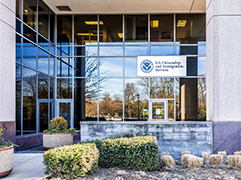
USCIS (U.S. Citizenship and Immigration Services) processes applications inside the United States.
USCIS handles:
- Petitions filed by employers or family members
- Change or extension of status
- Green card applications
- Naturalization requests
USCIS does not issue visas at embassies. Its role is administrative and adjudicative.
Department of State – Visas and Consulates
U.S. Department of State manages the consular visa process outside the United States.
Responsibilities include:
- Visa interviews
- Security screening
- Visa issuance or refusal
- Embassy and consulate operations
If you apply for a visa abroad, your case is handled primarily by the Department of State.
CBP and ICE – Border and Enforcement
U.S. Customs and Border Protection (CBP) controls:
- Ports of entry
- Final admission decisions
- Inspection at airports and borders
U.S. Immigration and Customs Enforcement (ICE) focuses on:
- Immigration enforcement
- Overstay investigations
- Removal proceedings
Even with a valid visa, CBP makes the final decision on entry into the US.
How the US Visa System Works
The US visa system is divided into two major categories, based on intent.
Nonimmigrant Visas (Temporary Stay)
Nonimmigrant visas are for people who intend to stay temporarily and then leave.
Common characteristics:
- Defined purpose (tourism, study, work)
- Limited duration
- Strict conditions
- No automatic path to permanent residence
Examples include:
- Tourist and business visits
- Student programs
- Temporary work assignments
- Cultural exchanges
Applicants must demonstrate nonimmigrant intent, meaning they plan to return home after their authorized stay.
Immigrant Visas (Permanent Immigration)
Immigrant visas are for individuals intending to live permanently in the United States.
Key features:
- Lead to lawful permanent residence (green card)
- Subject to annual quotas
- Often involve long waiting periods
- Require sponsorship
Immigrant visas are generally based on:
- Family relationships
- Employment sponsorship
- Special categories defined by law
Family-Based Immigration Explained
Family-based immigration allows US citizens and permanent residents to sponsor close relatives.
Immediate Relatives
These are not subject to annual visa caps:
- Spouses of US citizens
- Unmarried children under 21 of US citizens
- Parents of US citizens (over age 21)
Preference Categories
These are capped annually and often face long backlogs:
- Adult children
- Siblings
- Spouses and children of permanent residents
Policy affects:
- Processing priorities
- Documentation scrutiny
- Interview standards
Employment-Based Immigration Explained
Employment-based immigration allows US employers to sponsor foreign workers for permanent roles.
Key elements include:
- Employer sponsorship
- Job-specific eligibility
- Skill-based categories
- Labor market protections
Many cases require labor certification, proving that no qualified US workers are available for the position.
Processing times vary widely based on:
- Visa category
- Country of chargeability
- Annual caps
How Policy Affects Visa Processing Times
US immigration policy plays a major role in how quickly cases move.
Factors include:
- Annual visa limits
- Country-based caps
- Application volume
- Staffing levels
- Security screening policies
Processing delays are common even for qualified applicants.
For a detailed breakdown, readers often review this guide:
https://www.usvisaintel.com/processing-time/us-visa-processing-time-complete-2026-guide-for-applicants-waiting-for-decisions/
Visa Fees and Government Costs
Almost every step in the immigration process involves government fees.
Key points:
- Fees are set by regulation
- Most are non-refundable
- Different agencies charge separately
- Fees do not guarantee approval
Costs vary depending on:
- Visa type
- Processing method
- Additional services
A complete cost breakdown is available here:
https://www.usvisaintel.com/visa-fees/us-visa-fees-explained-all-categories-complete-cost-breakdown-for-first-time-applicants/
How to Apply Within the US Immigration Framework
Although each visa has unique requirements, the general process follows a predictable structure.
- Determine the correct visa category
- File the required petition or application
- Pay government fees
- Submit documentation
- Attend biometrics and interviews
- Wait for a decision
- Enter the US or adjust status
A step-by-step explanation of the application flow can be found here:
https://www.usvisaintel.com/visa-process/how-to-apply-for-a-us-visa-step-by-step-guide/
Common Misconceptions About US Immigration Policy
Many applicants misunderstand how policy works.
Misconception 1: Approval is guaranteed if documents are complete
Reality: Approval depends on eligibility, intent, and discretion.
Misconception 2: Immigration agents decide outcomes
Reality: Officers apply law and policy; they do not create rules.
Misconception 3: Policy changes mean instant results
Reality: Changes often take months or years to affect real cases.
How US Immigration Policy Has Evolved (Context for 2026)
Over time, US immigration policy has shifted toward:
- Increased security screening
- Digital processing systems
- Data-driven enforcement
- Greater emphasis on compliance
While laws may remain stable, procedural expectations continue to evolve, making preparation and accuracy more important than ever.
What Applicants Should Understand Before Applying
Before entering the US immigration system, applicants should recognize:
- Policy affects process, not guarantees
- Timing is unpredictable
- Mistakes can cause long delays
- Each case is reviewed individually
- Professional guidance can reduce risk
Understanding the framework helps set realistic expectations.
Frequently Asked Questions (FAQ)
How does US immigration policy work?
It guides how immigration laws are applied, enforced, and prioritized by government agencies.
Who qualifies under US immigration policy?
Eligibility depends on visa category, intent, documentation, and compliance with the law.
Is US immigration policy changing in 2026?
Policies continue to evolve through administrative updates, even when laws remain unchanged.
What is the difference between immigration law and policy?
Law defines legal limits; policy determines how those limits are applied.
Can immigration policy affect visa approval?
Yes. Policy influences scrutiny levels, processing standards, and outcomes.
Guidance for Navigating the US Immigration System
The US immigration framework is detailed, rule-based, and often unforgiving of errors. While public information explains the structure, individual circumstances vary widely.
Anyone planning to apply should:
- Understand the policy framework
- Review official requirements carefully
- Seek qualified guidance when needed
- Make informed decisions before submitting applications
A clear understanding of US immigration policy is the first step toward navigating the system responsibly and effectively in 2026.