

US travel restriction updates continue to influence who can enter the United States, when entry is permitted, and under what conditions travelers are admitted. In 2026, many international travelers mistakenly assume that holding a valid US visa guarantees entry. In reality, entry rules USA operate independently from visa issuance, and final admission decisions are made at the border.
- What Are US Travel Restrictions and Entry Rules?
- How Entry Rules USA Are Enforced at the Border
- Overview of Major US Travel Restriction Updates in 2025–2026
- Travel Ban Updates Explained
- Who Is Most Affected by Entry Rule Changes
- Entry Rules for Different Visa Types
- How Travel Restrictions Affect Processing and Travel Plans
- Entry Screening, Secondary Inspection, and Refusal Risks
- Fees and Costs Impacted by Travel Restrictions
- How Travelers Should Prepare Under Updated Entry Rules
- How to Apply With Travel Restrictions in Mind
- Common Mistakes Travelers Make After Rule Updates
- What US Travel Restriction Updates Do Not Mean
- Frequently Asked Questions (FAQ)
- Practical Guidance for International Travelers in 2026
This article provides a clear, up-to-date explanation of travel restriction and entry rule updates affecting international travelers in 2026. It explains how entry rules are enforced, how travel ban updates differ from visa suspensions, who is most affected, and how travelers can prepare responsibly before boarding a flight to the United States.
The goal is practical clarity—helping travelers avoid costly surprises, denied entry, or last-minute disruptions.
What Are US Travel Restrictions and Entry Rules?
US travel restrictions and entry rules are policies governing physical admission into the United States. They are distinct from immigration laws and visa eligibility criteria.
Key distinctions:
- Visa approval allows a traveler to request entry
- Entry rules determine whether entry is actually granted
- Restrictions may apply even to valid visa holders
- Rules can change quickly, sometimes without changes to visa policy
Travel restrictions may be:
- Temporary or permanent
- Global or country-specific
- Based on nationality, travel history, or security concerns
Because these rules are administrative, they can be updated more frequently than immigration laws.
How Entry Rules USA Are Enforced at the Border
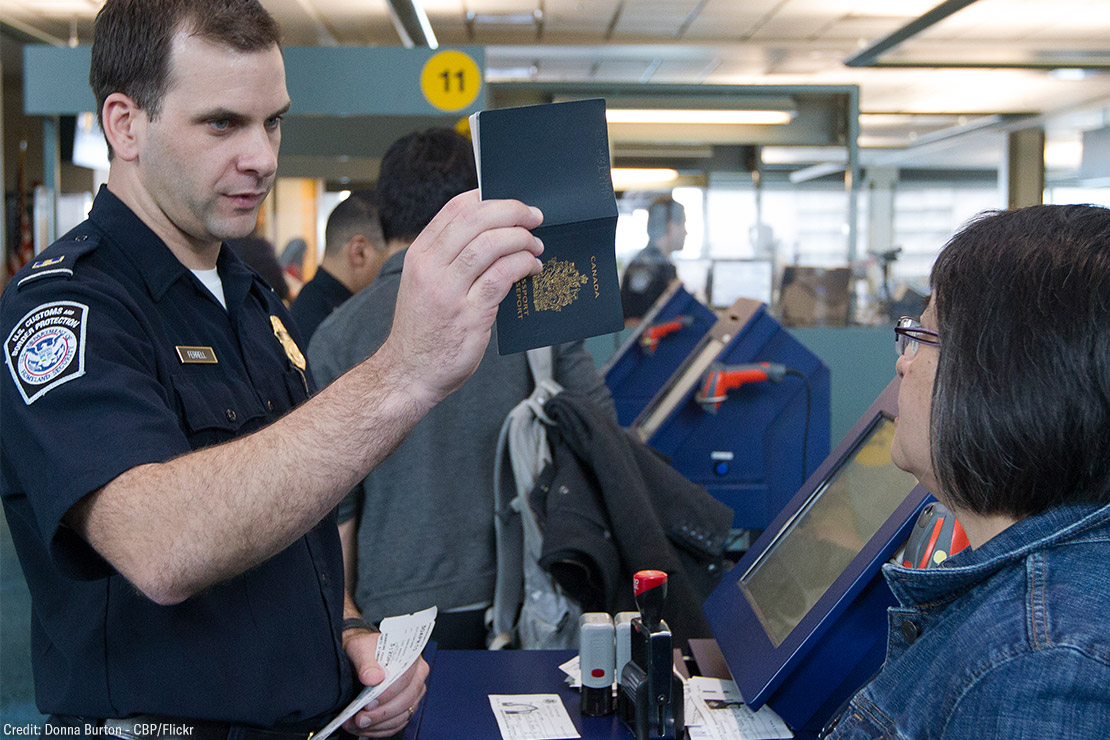
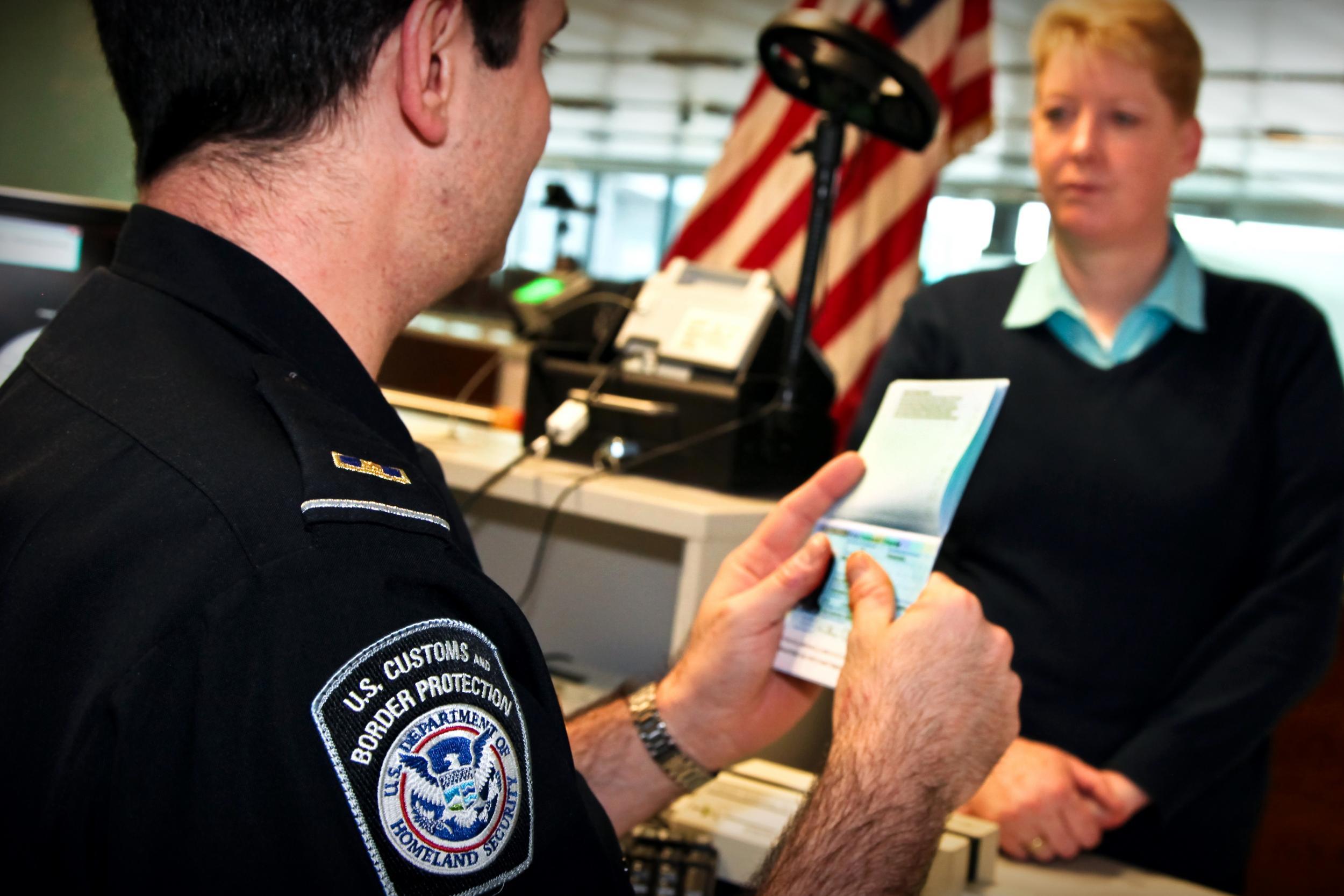
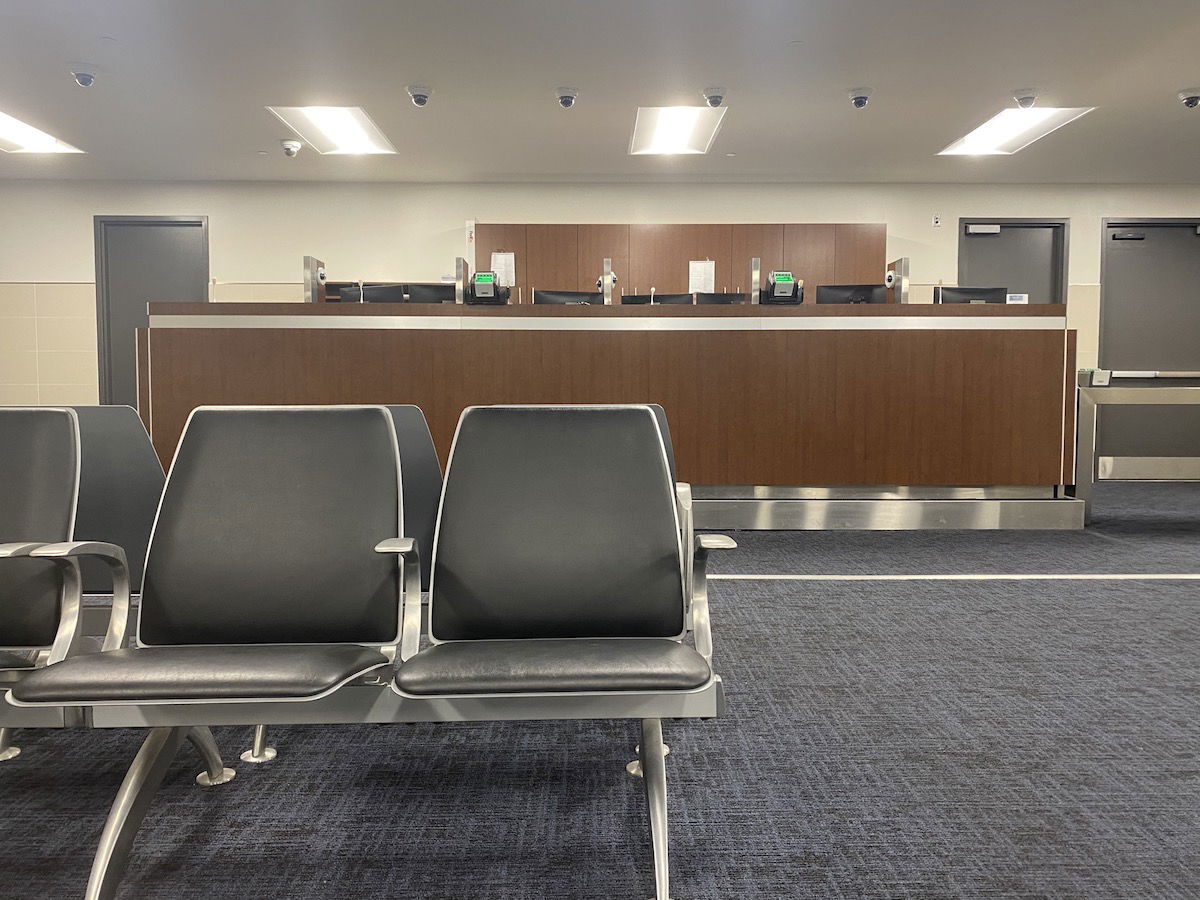
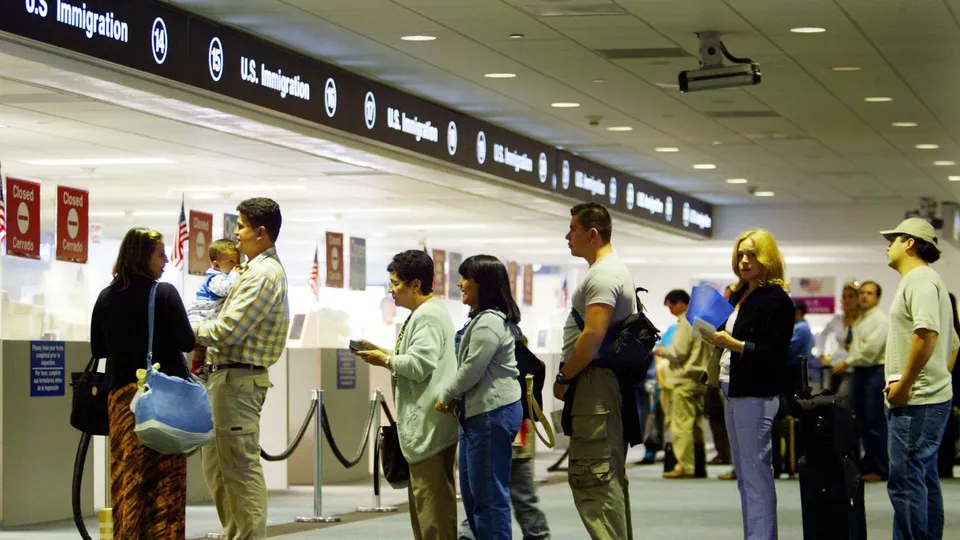
Entry into the United States is governed by admissibility rules, enforced by U.S. Customs and Border Protection (CBP) at ports of entry.
Primary Inspection
At arrival, CBP officers review:
- Passport and visa
- Travel purpose
- Length of intended stay
- Prior US travel history
Officers may ask brief questions to confirm consistency with visa intent.
Secondary Inspection
Some travelers are referred for additional screening, known as secondary inspection.
Common triggers include:
- Inconsistent answers
- Extensive travel history
- Prior overstays or violations
- Random screening
Secondary inspection does not automatically mean denial, but it does involve deeper review.
Final Authority at the Border
Even with a valid visa, CBP has the legal authority to deny entry if a traveler is found inadmissible under current entry rules.
Overview of Major US Travel Restriction Updates in 2025–2026
Recent US travel restriction updates focus less on broad bans and more on targeted screening and enforcement.
Notable trends include:
- Increased reliance on travel history analysis
- Enhanced data sharing between agencies
- More consistent enforcement of admissibility rules
- Clearer separation between visa issuance and entry decisions
Rather than blanket restrictions, 2026 policies emphasize individualized assessment at entry.
Travel Ban Updates Explained
Travel ban updates are often misunderstood. A travel ban typically refers to restrictions on entry based on nationality, location, or travel history, rather than a universal prohibition.
Key clarifications:
- Travel bans do not always cancel existing visas
- Bans may apply only to certain visa types
- Some bans allow exceptions or waivers
- Bans can be time-limited or policy-driven
Importantly, many recent updates focus on screening criteria, not outright bans.
Who Is Most Affected by Entry Rule Changes
Entry rule changes can affect travelers differently depending on purpose and profile.
Tourists and Short-Term Visitors
- Scrutiny of travel intent
- Proof of ties to home country
- Return ticket expectations
Students and Exchange Participants
- Verification of enrollment
- Start date alignment
- Financial readiness
Temporary Workers
- Employer documentation
- Job start timelines
- Consistency with visa classification
Returning Visa Holders
- Prior compliance history
- Length and frequency of stays
- Changes in circumstances
Entry Rules for Different Visa Types
While entry rules apply broadly, enforcement varies by visa category.
Visitor Visas
Officers assess:
- Temporary intent
- Length of stay
- Financial self-sufficiency
Student Visas
Officers review:
- Active program status
- School documentation
- Arrival timing
Work Visas
Officers confirm:
- Employment details
- Start dates
- Consistency with approved petition
Immigrant Visas
Immigrant visa holders typically face fewer entry questions but must still meet admissibility requirements.
How Travel Restrictions Affect Processing and Travel Plans
Travel restrictions often interact with processing timelines, creating compounded delays.
Common effects include:
- Visa issued but travel delayed
- Missed academic or employment start dates
- Need to rebook flights
- Uncertainty around timing
Applicants tracking timelines should remain aware of processing realities explained here:
https://www.usvisaintel.com/processing-time/us-visa-processing-time-complete-2026-guide-for-applicants-waiting-for-decisions/
Entry Screening, Secondary Inspection, and Refusal Risks
Understanding screening procedures reduces anxiety.
What Triggers Extra Screening
- Prior overstays
- Frequent long visits
- Inconsistent documentation
- Random selection
Possible Outcomes
- Admission as requested
- Admission with shortened stay
- Deferred inspection
- Refusal of entry
A refusal at the border does not automatically cancel a visa, but it may affect future travel.
Fees and Costs Impacted by Travel Restrictions
Travel restrictions can increase costs indirectly.
Common expenses include:
- Non-refundable flight changes
- Extended accommodation costs
- Rebooking fees
- Lost deposits
Visa-related fees remain non-refundable regardless of entry outcome. Cost awareness is detailed here:
https://www.usvisaintel.com/visa-fees/us-visa-fees-explained-all-categories-complete-cost-breakdown-for-first-time-applicants/
How Travelers Should Prepare Under Updated Entry Rules
Preparation is the most effective risk-reduction strategy.
Best practices:
- Carry clear supporting documents
- Ensure consistency across applications and answers
- Arrive close to program or job start dates
- Avoid assumptions about guaranteed entry
- Monitor updates close to departure
Honesty and clarity at inspection are essential.
How to Apply With Travel Restrictions in Mind
Travel restrictions should be considered during the visa application stage, not after approval.
Applicants should:
- Select the correct visa category
- Describe travel purpose accurately
- Avoid overstatement or vague plans
- Align documents with entry expectations
A structured overview of proper application steps is available here:
https://www.usvisaintel.com/visa-process/how-to-apply-for-a-us-visa-step-by-step-guide/
Common Mistakes Travelers Make After Rule Updates
Even experienced travelers make avoidable errors.
Frequent mistakes include:
- Assuming a visa guarantees entry
- Traveling with outdated information
- Carrying insufficient documentation
- Ignoring recent travel history implications
- Relying on unofficial advice
These errors can lead to delays or refusal despite valid visas.
What US Travel Restriction Updates Do Not Mean
Clarifying misconceptions is essential.
Travel restriction updates do not mean:
- The US is closed to travelers
- All visas are suspended
- Entry decisions are arbitrary
- Restrictions are permanent
Entry decisions remain case-by-case, guided by current rules.
Frequently Asked Questions (FAQ)
Are there US travel restrictions in 2026?
Yes, but they are targeted and policy-driven rather than blanket bans.
Can I enter the US with a valid visa?
A visa allows you to request entry, but admission depends on meeting entry rules at the border.
What documents are checked at entry?
Passport, visa, travel purpose evidence, and sometimes supporting documents.
Do travel bans apply to all visas?
No. Scope depends on the specific policy and category.
Can entry rules change suddenly?
Yes. Travelers should verify requirements close to departure.
Practical Guidance for International Travelers in 2026
In 2026, understanding US travel restriction updates is as important as securing a visa. Entry rules evolve, enforcement is consistent, and final decisions rest with border authorities—not embassies.
International travelers who stay informed, prepare documentation carefully, and approach entry with realistic expectations are better positioned to navigate entry rules USA successfully. Monitoring updates, planning flexible travel, and understanding that a visa is permission to ask for entry—not a guarantee remain the most reliable principles for safe and informed travel to the United States.