


Keeping up with US visa rule changes has become increasingly important for applicants worldwide. The US immigration framework is not static. While immigration laws passed by Congress may remain unchanged for years, rules, procedures, and regulatory interpretations evolve frequently. These updates directly affect eligibility assessments, documentation standards, interview requirements, fees, and processing timelines.
- Why US Visa Rules Change
- Overview of Major US Visa Rule Changes in 2025–2026
- Immigration Rule Updates Affecting Eligibility
- Visa Regulation Changes Affecting Application Procedures
- How Rule Changes Affect US Visa Processing Times
- Updated US Visa Fees and Cost Implications
- How Applicants Should Adjust Their Application Strategy
- How to Apply Under the Updated Rules
- Common Mistakes Applicants Make After Rule Changes
- What Has Not Changed in the US Visa System
- Frequently Asked Questions (FAQ)
- Practical Guidance for Applicants in 2026
In 2026, applicants must be more informed than ever. Many visa refusals and delays occur not because applicants are ineligible, but because they rely on outdated information or misunderstand recent immigration rule updates. This article provides a clear, structured explanation of the most important US visa rule changes, why they were introduced, and how they affect applicants planning to visit, study, work, or immigrate to the United States.
This guide is written for applicants who actively track eligibility and procedural changes and want a reliable, simplified explanation before submitting an application.
Why US Visa Rules Change
US visa rules change for several reasons, and understanding these drivers helps applicants interpret updates correctly.
Key reasons include:
- National security priorities
- Increased application volumes
- Fraud prevention measures
- Operational efficiency improvements
- Technological modernization
Visa rules are shaped by policy decisions and regulatory adjustments, not just new legislation. This means changes can occur through:
- Updated agency guidance
- Revised forms and procedures
- Administrative notices
- Operational policy memoranda
Importantly, rule changes do not always apply retroactively, but they can affect pending and future applications depending on their nature.
Overview of Major US Visa Rule Changes in 2025–2026
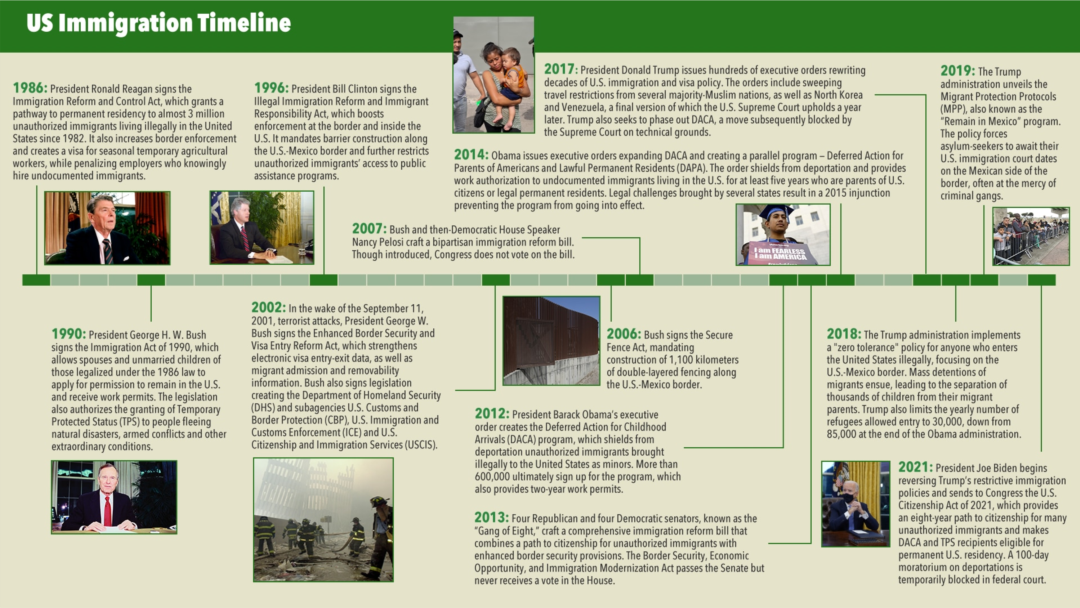

The 2025–2026 period has seen several notable shifts across the US visa system. These updates do not create new visa categories, but they reshape how existing rules are applied.
Broad trends include:
- Increased emphasis on documentation accuracy
- Tighter interpretation of eligibility criteria
- Expanded digital processing
- Adjustments to interview and biometrics policies
- Revisions to fee structures and timelines
These changes affect both nonimmigrant and immigrant visas, though the impact varies by category.
Immigration Rule Updates Affecting Eligibility
Eligibility standards are often clarified or tightened through policy updates rather than legal changes. Applicants should understand that eligibility is assessed under current rules at the time of decision, not at the time they began preparing.
Changes in Documentation Standards
Recent immigration rule updates have increased scrutiny on supporting documents.
Key developments include:
- Stronger verification of financial capacity
- More detailed employment evidence
- Closer examination of travel history
- Enhanced checks for consistency across forms
Incomplete or loosely prepared documentation now carries a higher risk of refusal or administrative processing delays.
Eligibility Clarifications and Restrictions
Some visa categories have experienced:
- Narrower interpretations of qualifying activities
- Greater focus on intent (temporary vs permanent)
- More scrutiny of repeat applicants
- Increased evaluation of compliance history
These clarifications do not necessarily make visas harder to obtain, but they raise the standard for preparation and accuracy.
Visa Regulation Changes Affecting Application Procedures


4
Beyond eligibility, visa regulation changes have significantly altered how applications are submitted and processed.
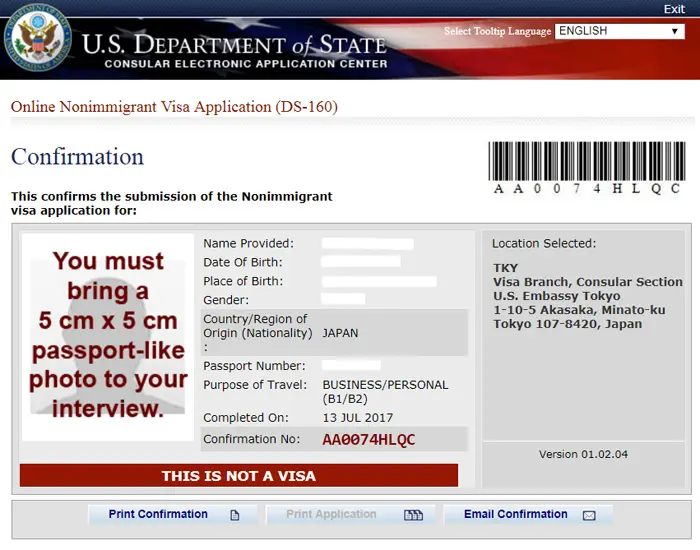
Online Application and Form Updates
Recent updates emphasize digital accuracy and completeness:
- Revised online forms with expanded data fields
- Mandatory consistency across platforms
- Reduced tolerance for errors or omissions
- Increased cross-checking with historical records
Applicants are now expected to review submissions carefully before finalizing, as post-submission corrections are limited.
Interview and Biometrics Changes
Interview and biometrics policies continue to evolve:
- Adjustments to interview waiver eligibility
- Extended validity periods for biometrics in some cases
- Reprioritization of in-person interviews for higher-risk categories
While some applicants benefit from streamlined processing, others may face additional interview requirements depending on individual risk profiles.
How Rule Changes Affect US Visa Processing Times
US visa processing times are highly sensitive to rule changes. Even minor procedural updates can cause temporary backlogs as agencies adjust workflows.
Key influences include:
- New documentation checks
- Updated security screening protocols
- Staffing and resource allocation
- Prioritization of certain visa categories
Applicants often experience:
- Longer administrative processing
- Variable timelines across consulates
- Delays even for previously routine cases
A detailed breakdown of timelines by visa type and category is available here:
https://www.usvisaintel.com/processing-time/us-visa-processing-time-complete-2026-guide-for-applicants-waiting-for-decisions/
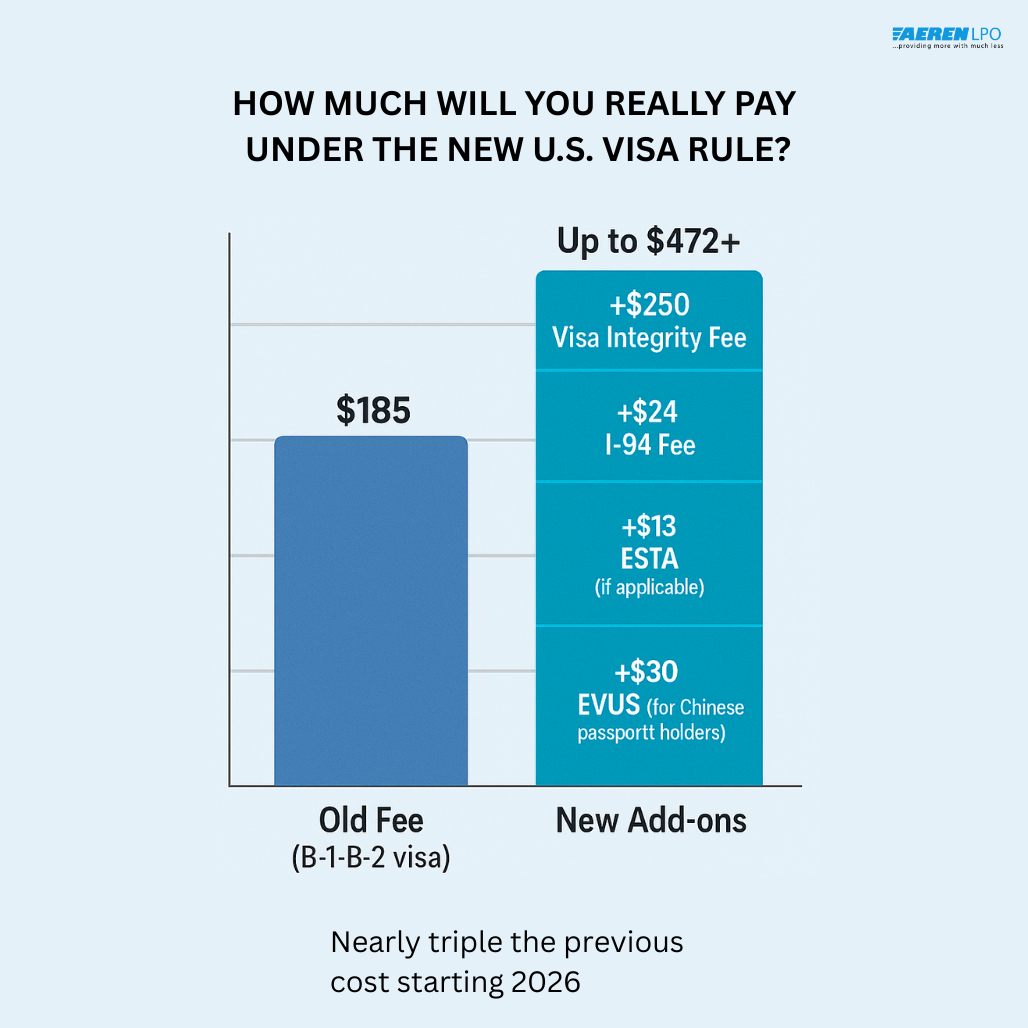
Updated US Visa Fees and Cost Implications
Visa rule changes frequently coincide with fee reviews and cost adjustments.
Key points applicants should know:
- Fees are determined by regulation, not discretion
- Most visa-related fees are non-refundable
- Additional services may carry separate charges
- Fee increases do not improve approval chances
Recent updates reaffirm the importance of verifying current fee amounts before payment.
A complete and updated fee reference can be found here:
https://www.usvisaintel.com/visa-fees/us-visa-fees-explained-all-categories-complete-cost-breakdown-for-first-time-applicants/
How Applicants Should Adjust Their Application Strategy
In response to ongoing US visa rule changes, applicants should adapt their approach.
Recommended strategies include:
- Relying only on current, verified information
- Preparing stronger supporting documentation
- Allowing extra time for processing
- Avoiding assumptions based on past approvals
- Monitoring official notices and updates
Applicants who treat visa preparation as a one-time checklist often face setbacks under updated rules.
How to Apply Under the Updated Rules
While details vary by visa type, the overall application framework remains structured.
A compliant approach typically involves:
- Confirming current eligibility criteria
- Using the latest application forms
- Paying updated fees
- Submitting complete and accurate documents
- Attending biometrics and interviews as required
- Monitoring case status regularly
A comprehensive, step-by-step explanation of the application process is available here:
https://www.usvisaintel.com/visa-process/how-to-apply-for-a-us-visa-step-by-step-guide/
Common Mistakes Applicants Make After Rule Changes
Many applicants encounter problems because they underestimate the impact of rule updates.
Frequent mistakes include:
- Using outdated advice or checklists
- Submitting old versions of forms
- Assuming previous eligibility still applies
- Ignoring procedural notices
- Underestimating documentation requirements
In 2026, even small errors can lead to refusals or extended delays.
What Has Not Changed in the US Visa System
Despite frequent updates, several fundamentals remain constant.
Unchanged principles include:
- Visa approval is never guaranteed
- Officer discretion remains central
- Each application is assessed individually
- Compliance with the law is mandatory
- Misrepresentation carries serious consequences
Understanding what has not changed helps applicants avoid unnecessary anxiety.
Frequently Asked Questions (FAQ)
What are the latest US visa rule changes?
They include updates to eligibility interpretation, documentation standards, application procedures, interview policies, and fee structures.
Do new visa rules affect existing applications?
Some updates apply only to new filings, while others may affect pending cases depending on implementation dates.
How often do US visa regulations change?
Procedural and policy updates can occur multiple times a year, even without new legislation.
Can rule changes cause visa refusal?
Yes. Applications prepared under outdated rules may fail to meet current standards.
Where can applicants track official updates?
Official government notices and reputable immigration information platforms provide the most reliable updates.
Practical Guidance for Applicants in 2026
Navigating recent US visa rule changes requires careful preparation, attention to detail, and realistic expectations. While the legal framework remains stable, procedural precision matters more than ever.
Applicants who invest time in understanding current rules, prepare accurate documentation, and seek qualified guidance when uncertain are better positioned to navigate the system effectively. Staying informed is no longer optional—it is an essential part of any successful US visa application strategy in 2026.