


Waiting for a decision can be one of the most stressful parts of the US immigration journey. In 2026, visa processing time updates remain a top concern for applicants worldwide, as many continue to experience extended waits, inconsistent timelines, and limited visibility into case progress. Even well-prepared applications may take months—or longer—due to systemic factors beyond an applicant’s control.
- What Are Visa Processing Time Updates?
- Why US Visa Delays Happen
- Understanding the Processing Backlog
- Agencies Involved in Visa Processing Timelines
- Processing Time Updates by Visa Category
- How to Read Official Processing Time Reports
- How Delays Affect Applicants Waiting for Decisions
- What Applicants Can and Cannot Control
- When Delays Become a Serious Problem
- Processing Times vs Application Fees
- How to Apply Correctly to Avoid Extra Delays
- Tracking Processing Time Updates Responsibly
- Common Mistakes Applicants Make While Waiting
- What Processing Time Updates Do Not Mean
- Frequently Asked Questions (FAQ)
- Practical Guidance for Applicants Waiting in 2026
This guide explains how processing time updates work, why US visa delays occur, what a processing backlog actually means, and how applicants waiting for decisions can set realistic expectations. The goal is clarity: understanding the system so you can plan responsibly while your case is under review.
What Are Visa Processing Time Updates?
Visa processing time updates are official estimates published by government agencies to indicate how long it typically takes to complete certain applications. These estimates are not guarantees; they are snapshots based on recent case completions.
Key points to understand:
- Updates reflect historical averages, not individual cases
- Timelines can change after you file
- Different agencies publish timelines differently
- “Normal processing time” does not mean “your case will finish by then”
Processing time updates are meant to guide expectations—not to promise outcomes or fixed dates.
Why US Visa Delays Happen


US visa delays are rarely caused by a single issue. Most delays result from overlapping pressures across the system.
Common causes include:
- Application volume surges: Seasonal spikes and policy changes can dramatically increase filings
- Security and background checks: Some cases require additional review
- Staffing and resource constraints: Hiring and training officers takes time
- Policy and procedural updates: New rules can slow processing during transitions
Delays often affect entire categories at once, rather than isolated applicants.
Understanding the Processing Backlog
A processing backlog occurs when agencies receive more applications than they can finalize within normal timeframes.
How Backlogs Form
- Sudden increases in demand
- Complex cases requiring longer review
- Temporary shutdowns or slowdowns
- Shifts in adjudication priorities
Why Backlogs Take Time to Clear
- Cases must be processed in order or by priority
- Officers cannot simply skip steps
- Security checks cannot be rushed
Backlogs are not a sign of failure; they are a capacity issue that resolves gradually.
Agencies Involved in Visa Processing Timelines
Different agencies handle different stages of the process, which explains why timelines can feel fragmented.
USCIS – Benefits Processing
USCIS processes petitions and applications filed inside the United States, such as:
- Adjustment of status
- Employment petitions
- Family sponsorship filings
USCIS timelines are influenced by case type, workload, and service center capacity.
Department of State – Consular Processing
U.S. Department of State manages visa processing at embassies and consulates abroad, including:
- Interview scheduling
- Security screening
- Visa issuance
Consular timelines vary by location and local demand.
CBP – Entry Decisions
U.S. Customs and Border Protection does not process applications but makes final admission decisions at ports of entry. CBP timelines affect entry, not approvals.
Processing Time Updates by Visa Category
Processing times differ significantly by category. Rather than fixed numbers, applicants should understand relative expectations.
Nonimmigrant Visas
- Tourist, student, and temporary work visas
- Delays often tied to interview availability and security checks
- Seasonal demand plays a large role
Immigrant Visas and Green Cards
- Family-based and employment-based categories
- Subject to annual caps and country limits
- Backlogs can extend timelines substantially
Adjustment of Status
- Filed within the US
- Multiple stages (biometrics, interviews, reviews)
- RFEs can add months
Each category responds differently to system pressures.
How to Read Official Processing Time Reports
Applicants often misinterpret posted timelines. Understanding how to read them prevents unnecessary anxiety.
Important distinctions:
- Median vs maximum: A median means half of cases take longer
- “Normal processing”: Indicates most cases—not all
- Service center differences: Same form, different timelines
- Updates lag reality: Posted times trail current workload
A case within posted times is usually considered normal—even if the wait feels long.
How Delays Affect Applicants Waiting for Decisions
For applicants waiting for decisions, delays have real-world consequences.
Common impacts include:
- Travel disruptions
- Work authorization gaps
- Status expiration concerns
- Financial strain
- Emotional stress and uncertainty
These effects explain why processing transparency matters, even when outcomes are unchanged.
What Applicants Can and Cannot Control
Understanding control boundaries helps applicants focus on what actually helps.
What You Cannot Control
- Overall backlog size
- Agency staffing levels
- Security review duration
- Policy-driven prioritization
What You Can Control
- Submitting a complete, accurate application
- Responding promptly to notices
- Tracking official updates responsibly
- Avoiding duplicate or panic filings
Effort is best spent on preparation—not speculation.
When Delays Become a Serious Problem
Not every delay signals trouble. However, some situations warrant closer attention.
Indicators include:
- Exceeding posted processing times significantly
- Receiving repeated RFEs
- Extended administrative processing without updates
- Imminent status expiration
In such cases, understanding options and next steps becomes important.
Processing Times vs Application Fees
Some applicants assume higher fees lead to faster processing. This is a misconception.
Key clarifications:
- Fees fund operations, not priority handling
- Paying more does not accelerate review
- Premium options (where available) are limited and category-specific
For cost context during long waits, applicants often review:
https://www.usvisaintel.com/visa-fees/us-visa-fees-explained-all-categories-complete-cost-breakdown-for-first-time-applicants/
How to Apply Correctly to Avoid Extra Delays
Many delays are preventable with careful filing.
Best practices include:
- Using the latest form editions
- Following current instructions precisely
- Submitting organized, relevant evidence
- Double-checking signatures and fees
A structured overview of proper filing steps is available here:
https://www.usvisaintel.com/visa-process/how-to-apply-for-a-us-visa-step-by-step-guide/
Tracking Processing Time Updates Responsibly

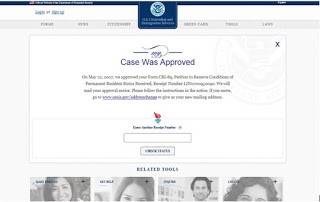
Responsible tracking avoids misinformation.
Tips for monitoring updates:
- Rely on official tools and notices
- Check updates periodically—not daily
- Avoid social media “timeline comparisons”
- Understand that others’ experiences vary
For a centralized 2026 reference, many applicants consult:
https://www.usvisaintel.com/processing-time/us-visa-processing-time-complete-2026-guide-for-applicants-waiting-for-decisions/
Common Mistakes Applicants Make While Waiting
Waiting periods often lead to poor decisions.
Frequent mistakes include:
- Filing duplicate applications
- Changing information unnecessarily
- Missing response deadlines
- Assuming silence equals refusal
Patience and precision are usually more effective than reactive moves.
What Processing Time Updates Do Not Mean
Clarifying misconceptions reduces stress.
Processing time updates do not mean:
- Your case will be approved or refused
- Delays imply a negative outcome
- Faster timelines guarantee approval
- All cases move at the same speed
Each application is reviewed individually under current policy.
Frequently Asked Questions (FAQ)
Why is my US visa taking so long?
High demand, backlogs, security checks, and staffing limits are common reasons.
What causes visa processing backlogs?
Application surges, complex reviews, and capacity constraints.
Are processing times accurate?
They are estimates based on recent completions, not promises.
Can applicants speed up visa processing?
Generally no, unless a specific expedited option exists and criteria are met.
How long should I wait before worrying?
If your case remains within posted timelines, it is usually considered normal.
Practical Guidance for Applicants Waiting in 2026
In 2026, visa processing time updates remain an essential—but imperfect—tool for setting expectations. Delays are often systemic rather than personal, and understanding this distinction helps applicants plan calmly.
Those who prepare accurate applications, track updates responsibly, and maintain realistic timelines are better positioned to navigate long waits without unnecessary setbacks. While patience is challenging, informed patience is one of the most valuable assets for applicants waiting for decisions in the US immigration system.