

For many applicants, the US visa interview is the most intimidating part of the entire application process. Even well-prepared candidates often feel anxious about what questions will be asked, how detailed their answers should be, and whether a single mistake could result in refusal. This anxiety is common—US visa interviews are short, decisive, and unfamiliar to most first-time applicants.
- How US Visa Officers Use Interview Questions
- Most Common US Visa Interview Questions (Asked Across Visa Types)
- US Visa Interview Questions About Ties to Your Home Country
- US Visa Interview Questions Based on Visa Type
- How to Answer US Visa Interview Questions Correctly
- Answers That Often Lead to US Visa Refusal
- How Long Do US Visa Interview Questions Last?
- What If You Don’t Understand a Question?
- FAQs – US Visa Interview Questions
- Final Interview Advice for Nervous Applicants
This guide explains the most common US visa interview questions, along with clear guidance on how to answer them correctly. Rather than offering memorised scripts, this article helps you understand why each question is asked, what visa officers are assessing, and how to respond clearly, honestly, and confidently.
If you are a first-time or nervous interview candidate, this article is designed to help you prepare with clarity—not fear.
How US Visa Officers Use Interview Questions
Many applicants mistakenly believe the interview is about documents or English fluency. In reality, the interview is a credibility and intent assessment.
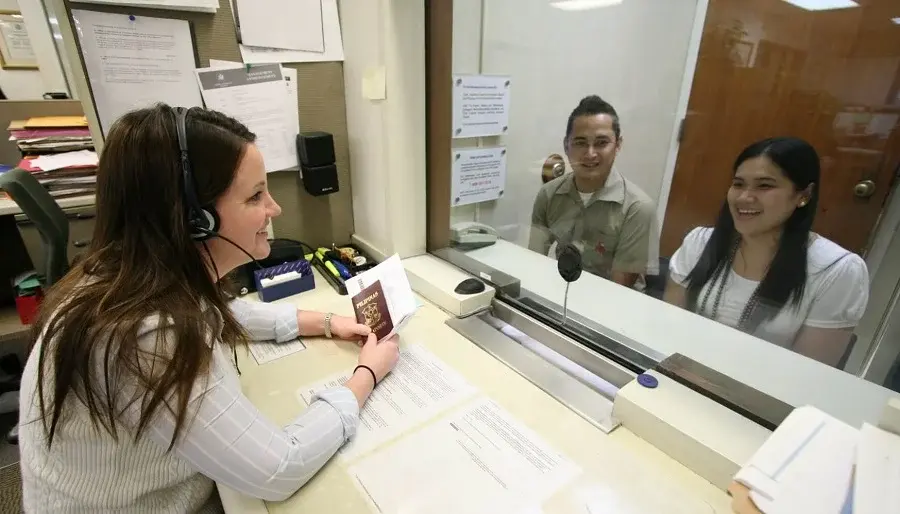
During a US visa interview at the United States Embassy or consulate, the officer uses questions to evaluate:
- Your purpose of travel
- Your current situation (work, study, finances)
- Your ties to your home country
- Your intent to return after the visit
- The consistency between your answers and your application
Interview questions are intentionally simple. Long explanations, emotional answers, or rehearsed responses often create doubt rather than confidence.
Most Common US Visa Interview Questions (Asked Across Visa Types)
The following questions are frequently asked across visitor, student, and many work visa interviews. The wording may change, but the intent remains the same.
“Why do you want to travel to the United States?”
Why this question is asked
This is the most important question of the interview. The officer wants to confirm that:
- Your travel purpose is legitimate
- It matches the visa category you applied for
- It aligns with what you stated in your application
How to answer
- Be direct and specific
- Keep your answer to one or two sentences
- Match your answer with your application details
What to avoid
- Vague answers (“just visiting”, “for experience”)
- Mentioning work or long-term plans unintentionally
- Over-explaining personal motivations
“How long do you plan to stay?”
Why this question is asked
This helps the officer assess whether:
- Your stay duration is reasonable
- You understand the temporary nature of the visa
Guidance
- Provide a clear, realistic timeframe
- Ensure it aligns with your stated travel purpose
Avoid
- Open-ended answers
- “I don’t know” or “maybe longer” responses
“Who will pay for your trip?”
Why this question is asked
The officer is checking:
- Financial capability
- Whether your funding source is credible
How to answer
- Clearly state if you are self-funded or sponsored
- Be prepared to explain income or sponsorship briefly
Avoid
- Hesitation or confusion
- Contradicting your financial details
“What do you do for work or study?”
Why this question is asked
Your occupation or education helps establish:
- Stability
- Home-country ties
- Likelihood of returning
How to answer
- State your role or course clearly
- Mention employer or institution briefly
- Keep it factual
“Have you traveled internationally before?”
Why this question is asked
Travel history can show compliance with visa rules, but it is not mandatory.
Important guidance
- Answer honestly
- Lack of travel history is not a refusal reason
Do not attempt to exaggerate or justify.
US Visa Interview Questions About Ties to Your Home Country
Demonstrating non-immigrant intent is central to most US visa interviews.
“Why will you return after your trip?”
What the officer is evaluating
- Employment or business obligations
- Ongoing education
- Family or personal responsibilities
Strong answers usually reference
- A current job or business
- Ongoing studies
- Clear commitments at home
Weak answers
- Focusing heavily on opportunities in the US
- Expressing uncertainty about future plans
“Do you have family in the United States?”
Why this question is asked
Having relatives in the US is not a problem. The officer is assessing context, not automatically refusing you.
How to answer
- Be honest
- Clearly explain the relationship
- Do not hide information
Dishonesty here is far more damaging than the presence of family.
US Visa Interview Questions Based on Visa Type
Some questions are tailored to the visa category you applied for.
B1/B2 Visitor Visa Interview Questions
Applicants for the B1/B2 Visa are commonly asked:
- Is your visit for tourism, family, or business?
- Where will you stay?
- How long will you be in the US?
- Do you have leave approval from your employer?
Officer focus
- Temporary intent
- Clear travel purpose
- Strong ties to your home country
F-1 Student Visa Interview Questions
Student visa interviews focus on academic intent and future plans.
Common questions include:
- Why did you choose this university?
- How will you fund your education?
- What are your plans after graduation?
Key guidance
- Show clarity in your study plan
- Explain funding sources confidently
- Avoid implying permanent settlement plans
How to Answer US Visa Interview Questions Correctly
Best Practices
- Answer only what is asked
- Keep responses short and clear
- Match your answers with your application
- Stay calm and professional
Tone and Body Language
- Speak naturally
- Maintain eye contact
- Avoid defensive or emotional responses
Visa officers are trained to decide quickly. Clear answers help them do that confidently.
Answers That Often Lead to US Visa Refusal
Certain answer patterns frequently raise red flags.
High-Risk Answer Behaviours
- Over-explaining simple questions
- Contradicting your application details
- Saying what you think the officer wants to hear
- Accidentally expressing immigrant intent
Refusals often occur because of how answers are delivered, not because the applicant is unqualified.
How Long Do US Visa Interview Questions Last?
Direct answer (featured snippet ready):
Most US visa interviews last 2 to 5 minutes and involve only a few focused questions.
Short interviews are normal and do not indicate refusal.
What If You Don’t Understand a Question?
This happens more often than applicants admit.
What to Do
- Politely ask the officer to repeat or clarify
- Take a moment before answering
What Not to Do
- Guess the answer
- Panic or rush
Officers prefer clarity over speed.
FAQs – US Visa Interview Questions
What are the most common US visa interview questions?
Questions about travel purpose, duration, funding, occupation, and intent to return are the most common.
Are US visa interview questions difficult?
No. They are straightforward if your case is clear and consistent.
Should I memorize answers?
No. Memorised answers often sound unnatural and raise suspicion.
Can wrong answers cause refusal?
Yes, especially if they contradict your application or show immigrant intent.
Are interview questions the same for everyone?
No. They vary based on visa type and personal background.
Final Interview Advice for Nervous Applicants
If you are nervous, you are not alone. Most first-time applicants feel the same way.
Before your interview:
- Review your application carefully
- Understand your visa category rules
- Prepare clear explanations for your travel purpose
- Stay calm and honest
Confidence comes from clarity, not memorisation. If you have a complex background or prior refusals, professional interview preparation can help identify weak areas before interview day—without shortcuts or false promises.
👉 Consider preparing with expert guidance to approach your US visa interview confidently and clearly.
✅ Final Note
US visa interview questions are not designed to trick you.
They are designed to quickly understand your intent.