


As US companies continue to rely on global talent in 2026, questions around H1B processing time have surged among professionals sponsored by US employers. From petition filing to approval, and from visa stamping to start dates, the H1B timeline is often misunderstood—leading to anxiety, delayed onboarding, and missed project deadlines.
- What Is H1B Visa Processing Time in 2026?
- Average H1B Processing Time in 2026
- H1B Timeline: Step-by-Step From Petition to Work Start
- H1B Premium Processing vs Regular Processing
- Work Visa Wait Time USA: H1B Visa Stamping by Country (2026)
- H1B Transfer Processing Time Explained
- Why H1B Applications Get Delayed
- Administrative Processing After H1B Visa Interview
- Factors That Affect H1B Processing Time
- Can H1B Processing Be Accelerated?
- What to Do If Your H1B Is Taking Too Long
- People Also Ask: H1B Visa Processing Time (2026)
- Final Guidance for Employer-Sponsored Professionals
This news-style guide explains how work visa wait time USA actually works in 2026, breaking down regular vs premium processing, transfers, stamping delays by country, and what employer-sponsored professionals should realistically expect at each stage.
What Is H1B Visa Processing Time in 2026?
Unlike visitor or student visas, H1B processing time is not a single step. It is a two-phase process involving different authorities and timelines.
Phase 1: USCIS Petition Processing
- Labor Condition Application (LCA)
- H1B petition filing
- USCIS review, approval, or request for evidence
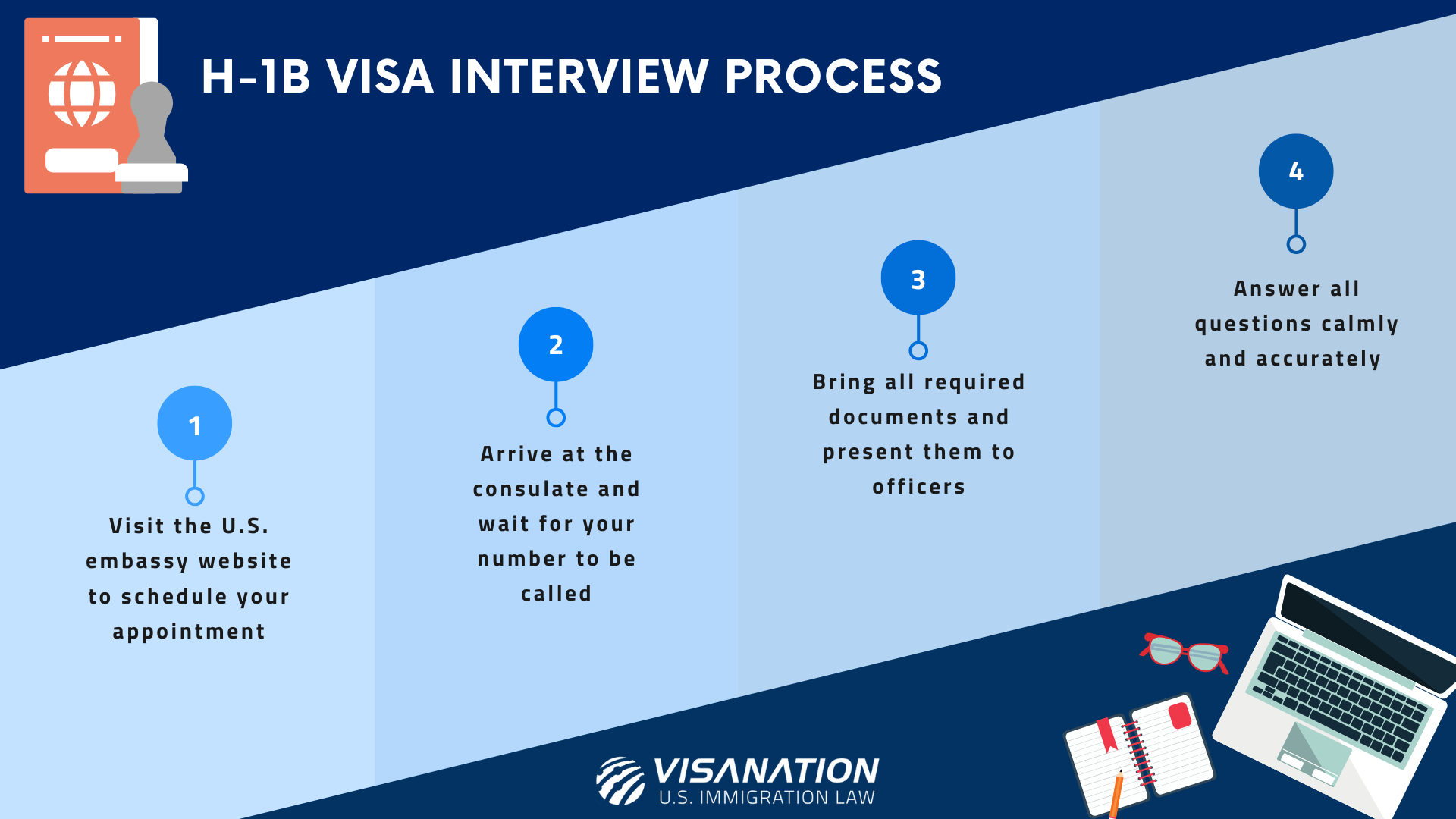
Phase 2: Visa Stamping (If Outside the US)
- Embassy interview scheduling
- Interview decision
- Passport return with visa stamp
Many professionals confuse USCIS approval with full completion, but for those outside the US, visa stamping can add weeks or months to the overall timeline.
For a foundational understanding of the visa itself, see:
👉 https://www.usvisaintel.com/visa-types/h1b-visa-explained-work-visa-for-professionals/
Average H1B Processing Time in 2026
In 2026, H1B timelines depend heavily on whether the case is filed under regular or premium processing, and whether the applicant is inside or outside the US.
H1B Processing Time Overview (2026)
| Stage | Regular Processing | Premium Processing |
|---|---|---|
| LCA certification | 7–10 days | 7–10 days |
| USCIS petition review | 2–6 months | Up to 15 calendar days |
| RFE (if issued) | +1–3 months | +15 days after response |
| Visa stamping (outside US) | 2–10 weeks | Same as regular |
| Passport return | 3–10 working days | 3–10 working days |
Key insight: Premium processing speeds up USCIS review only. It does not accelerate embassy visa stamping.
H1B Timeline: Step-by-Step From Petition to Work Start
Understanding the H1B timeline helps professionals and employers plan start dates more accurately.
Step 1: Labor Condition Application (LCA)
The employer files an LCA with the Department of Labor, confirming wage levels and work conditions.
Step 2: H1B Petition Filing
Once the LCA is approved, the employer submits the H1B petition to USCIS.
Step 3: USCIS Processing
USCIS reviews the petition and may:
- Approve it
- Issue a Request for Evidence (RFE)
- Deny the petition
Step 4: Approval Notice (I-797)
An approved petition results in an I-797 notice.
Step 5: Visa Stamping (If Applicable)
Applicants outside the US must schedule a visa interview and complete stamping.
Step 6: Entry to the US / Work Start
Professionals may begin work once legally authorized, depending on their location and status.
H1B Premium Processing vs Regular Processing
Premium processing is one of the most discussed topics among H1B applicants in 2026.
What Premium Processing Guarantees
- USCIS action within 15 calendar days
- Approval, denial, or RFE within that window
What It Does NOT Guarantee
- Approval
- Faster visa stamping
- Avoidance of RFEs
Premium processing is often chosen when:
- Project start dates are fixed
- Employer onboarding timelines are tight
- Transfers require faster portability decisions
A full breakdown of costs involved can be found here:
👉 https://www.usvisaintel.com/visa-fees/h1b-visa-fee-work-visa-cost-breakdown-for-2026/
Work Visa Wait Time USA: H1B Visa Stamping by Country (2026)

4
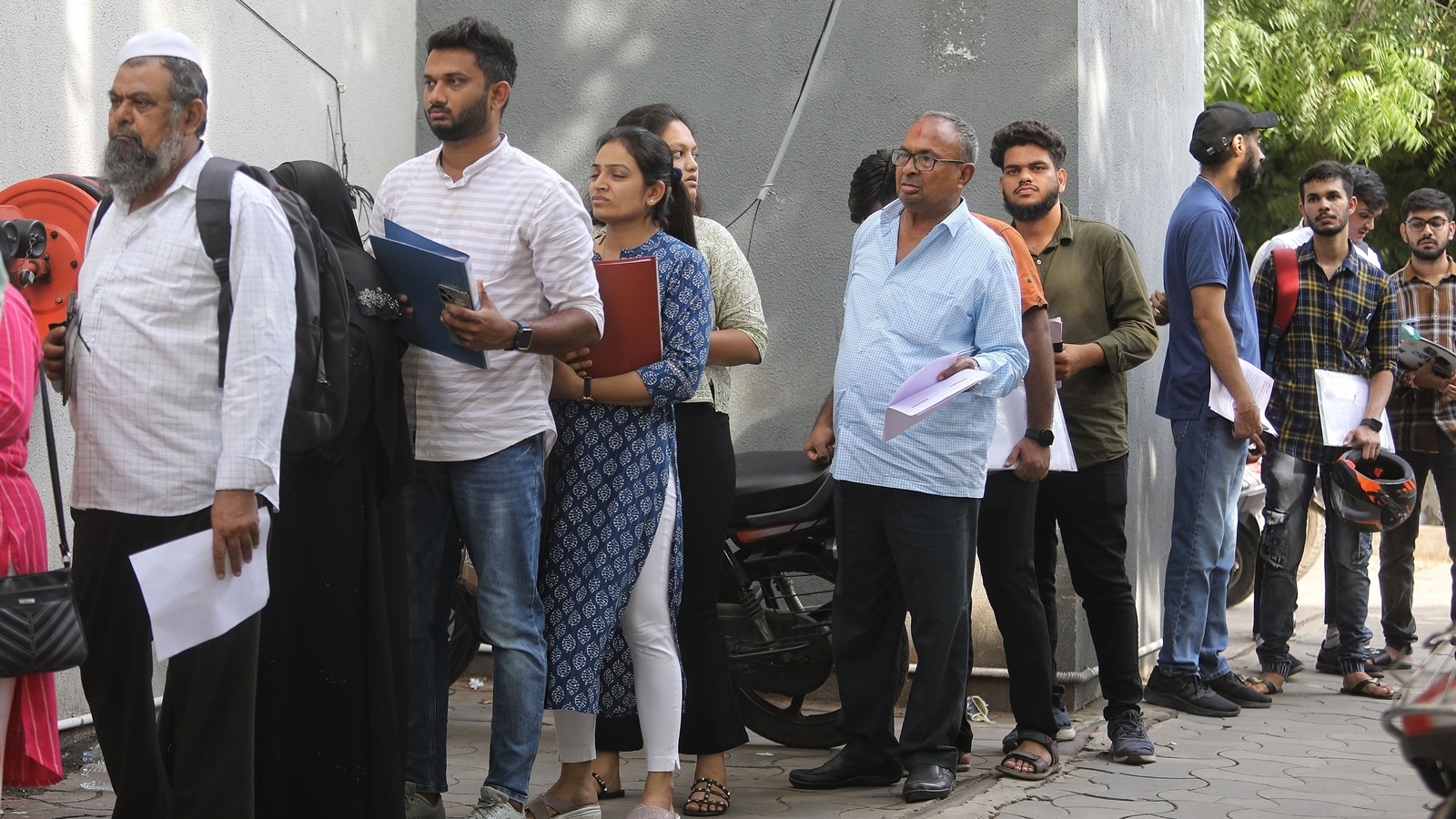
After USCIS approval, professionals outside the US face country-specific stamping timelines.
Asia
| Country | Interview Wait Time | Post-Interview Processing |
|---|---|---|
| India | 4–12 weeks | 1–3 weeks |
| Philippines | 3–6 weeks | 1–2 weeks |
Africa
| Country | Interview Wait Time | Post-Interview Processing |
|---|---|---|
| Nigeria | 6–10 weeks | 2–4 weeks |
Europe & Latin America
| Country | Interview Wait Time | Post-Interview Processing |
|---|---|---|
| United Kingdom | 2–4 weeks | 3–7 days |
| Germany | 3–5 weeks | 3–7 days |
| Mexico | 6–10 weeks | 1–3 weeks |
These timelines explain why H1B processing time often extends well beyond USCIS approval.
H1B Transfer Processing Time Explained
H1B transfers are common among experienced professionals switching employers.
Key Differences in Transfers
- Not subject to the annual cap
- Faster filing compared to new H1Bs
- Portability allows work to begin upon filing (in many cases)
Typical Transfer Timeline
- Regular processing: 1–4 months
- Premium processing: up to 15 days
Even with portability, delays can affect payroll, project access, and compliance.
Why H1B Applications Get Delayed
Several factors can slow down H1B processing time, even for strong candidates.
Common causes include:
- Requests for Evidence (RFEs)
- Specialty occupation scrutiny
- Wage level mismatches
- Employer documentation gaps
- Job role ambiguity
- Background verification
RFEs are especially common in consulting and third-party placement roles.
Administrative Processing After H1B Visa Interview
Some applicants face delays even after a successful interview.
Administrative processing, often labeled 221(g), may be triggered by:
- Employer background checks
- Sensitive technology roles
- Export control reviews
- Incomplete documentation
These reviews are coordinated by the U.S. Department of State, sometimes in consultation with other agencies.
Important: Administrative processing is not a denial, but it has no fixed timeline.
Factors That Affect H1B Processing Time
Several variables influence how fast or slow an H1B case moves:
- Employer type (product vs consulting)
- Job role and SOC classification
- Wage level and location
- Applicant’s prior US visa history
- Country of visa stamping
- Embassy workload
- USCIS service center
Understanding these factors helps professionals set realistic expectations.
Can H1B Processing Be Accelerated?
Acceleration options are limited.
What may help:
- Premium processing at the USCIS stage
- Early filing and accurate documentation
What cannot be expedited:
- Visa stamping queues
- Administrative processing
- Security checks
Claims of guaranteed fast approvals should be approached carefully.
What to Do If Your H1B Is Taking Too Long
If your H1B timeline exceeds expectations:
- Track your USCIS case status
- Coordinate closely with your employer or attorney
- Prepare for potential RFEs
- Monitor embassy instructions carefully
- Avoid repeated inquiries unless advised
For broader context on overall US visa delays, see:
👉 https://www.usvisaintel.com/processing-time/us-visa-processing-time-complete-2026-guide-for-applicants-waiting-for-decisions/
People Also Ask: H1B Visa Processing Time (2026)
How long does H1B processing take in 2026?
Regular processing typically takes 2–6 months, while premium processing limits USCIS review to 15 days.
Is premium processing worth it for H1B?
It is useful for faster USCIS decisions but does not speed up visa stamping or guarantee approval.
How long after H1B approval can I start work?
This depends on location, transfer status, and work authorization rules.
Does H1B processing time vary by country?
Yes. Embassy interview availability and post-interview reviews differ significantly.
Why is my H1B visa under administrative processing?
Additional background or security checks may be required, especially for technical roles.
Final Guidance for Employer-Sponsored Professionals
In 2026, H1B processing time remains predictable at the USCIS level but variable at the visa stamping stage. Employer-sponsored professionals benefit most from early planning, accurate filings, and close coordination with sponsoring employers.
While delays can disrupt timelines, they are often procedural rather than personal. Clear documentation, realistic expectations, and informed decision-making help reduce uncertainty and ensure compliance throughout the process.
Related Reading on US Visa Intel
- H1B Visa Explained – Work Visa for Professionals
https://www.usvisaintel.com/visa-types/h1b-visa-explained-work-visa-for-professionals/ - H1B Visa Fee Breakdown (2026)
https://www.usvisaintel.com/visa-fees/h1b-visa-fee-work-visa-cost-breakdown-for-2026/ - US Visa Processing Time: Complete 2026 Guide
https://www.usvisaintel.com/processing-time/us-visa-processing-time-complete-2026-guide-for-applicants-waiting-for-decisions/