


As international student mobility rebounds strongly in 2026, F1 visa processing time has become one of the most closely watched topics among students admitted to US universities. With academic start dates fixed and embassy demand fluctuating by country, even small delays in student visa wait time can impact enrollment plans, housing, and travel arrangements.
- What Is F1 Visa Processing Time in 2026?
- Average F1 Visa Processing Time in 2026
- F1 Visa Timeline: Step-by-Step for International Students
- Student Visa Wait Time by Country (2026)
- F1 Visa Interview: How It Affects Processing Time
- Administrative Processing for F1 Visas (221g Explained)
- Factors That Influence F1 Visa Processing Time
- Can F1 Visa Processing Be Accelerated?
- What to Do If Your F1 Visa Is Delayed
- People Also Ask: F1 Visa Processing Time (2026)
- Final Guidance for International Students
This Google News–style explainer breaks down the F1 visa timeline in clear, current terms—covering average processing times, country-specific wait periods, interview outcomes, administrative processing, and what international students should realistically expect while waiting for decisions.
What Is F1 Visa Processing Time in 2026?
The term F1 processing time does not refer to a single countdown. Instead, it represents a multi-stage timeline involving both university documentation and US embassy processing.
In 2026, F1 visa processing time generally includes:
- University admission and I-20 issuance
- SEVIS fee payment and activation
- DS-160 form submission
- Visa interview appointment wait time
- Interview decision (approval, refusal, or further review)
- Passport return after visa issuance
Because each stage is handled by different systems, delays at one step do not always reflect a problem with the overall application.
Students new to the F1 category may find it useful to first understand how the visa itself works:
👉 https://www.usvisaintel.com/visa-types/f1-student-visa-explained-study-in-the-united-states/
Average F1 Visa Processing Time in 2026
Despite rising application volumes, most student visas are still processed faster than other US visa categories. However, timing depends heavily on when and where the application is submitted.
Global Average F1 Processing Timeline
| Stage | Average Duration (2026) |
|---|---|
| I-20 issuance by university | 1–3 weeks |
| SEVIS fee & DS-160 completion | 1–2 days |
| Interview appointment wait | 2–12 weeks |
| Interview to decision | Same day to 10 days |
| Administrative processing (if required) | 2 weeks to several months |
| Passport return after approval | 3–10 working days |
The largest variable remains interview availability, particularly during peak intake seasons.
F1 Visa Timeline: Step-by-Step for International Students
Understanding the full F1 visa timeline helps students identify where delays are normal and where early preparation makes a difference.
Step 1: University Admission and I-20 Issuance
Once admitted, the university issues the I-20 form, which is mandatory for the F1 visa application.
Step 2: SEVIS Fee Payment
Students must pay the SEVIS I-901 fee before submitting the visa application.
Step 3: DS-160 Form Submission
The DS-160 is the core visa application form. Errors or inconsistencies here are a common cause of delays.
A detailed, field-by-field explanation is available here:
👉 https://www.usvisaintel.com/visa-process/ds-160-form-explained-how-to-fill-it-correctly/
Step 4: Visa Fee Payment and Interview Scheduling
After payment, students schedule their embassy interview based on local availability.
Step 5: F1 Visa Interview
Most interviews last only a few minutes but play a decisive role in processing speed.
Step 6: Decision and Passport Return
Approved visas are typically issued quickly unless further review is required.
Student Visa Wait Time by Country (2026)

4
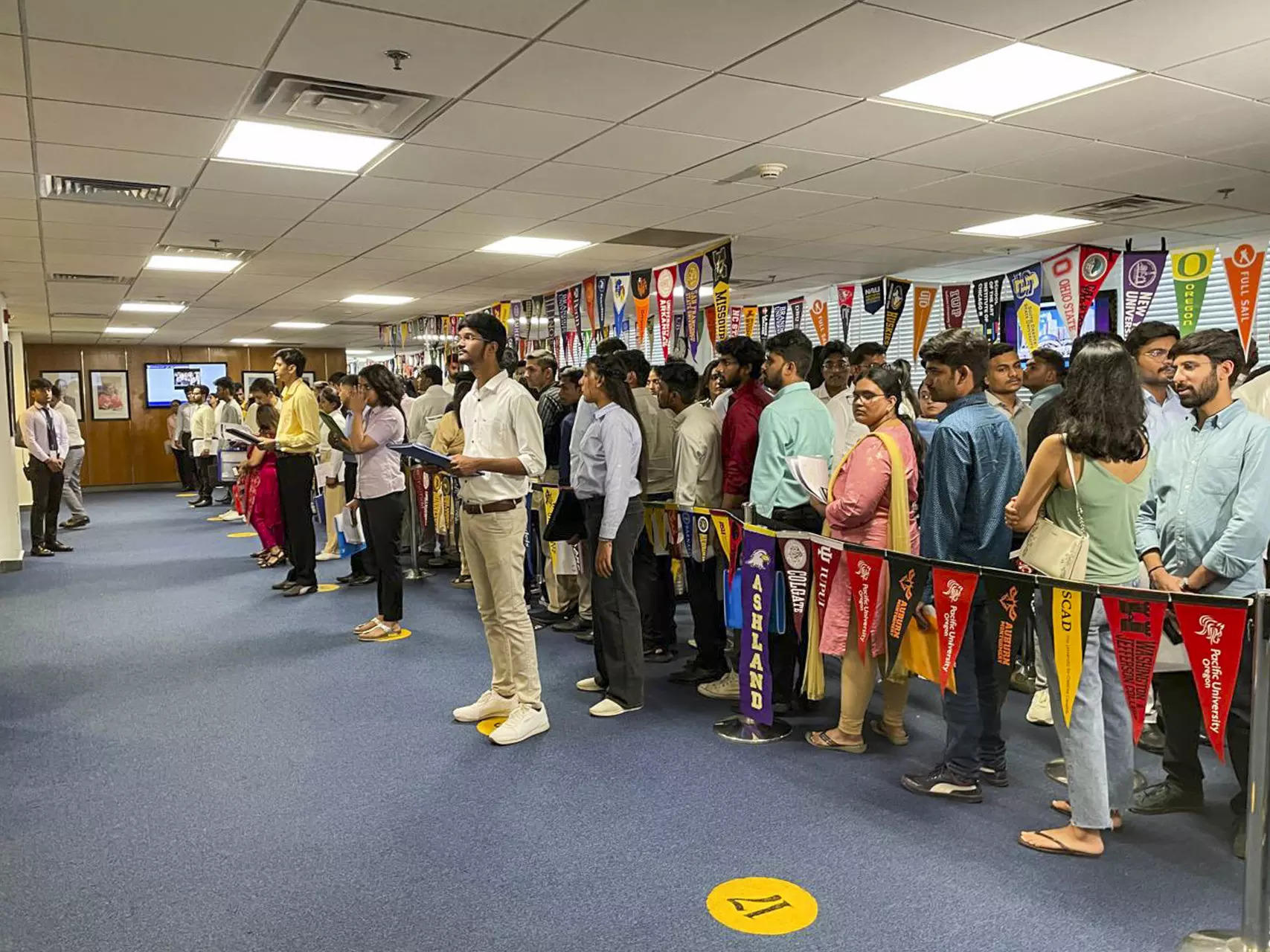
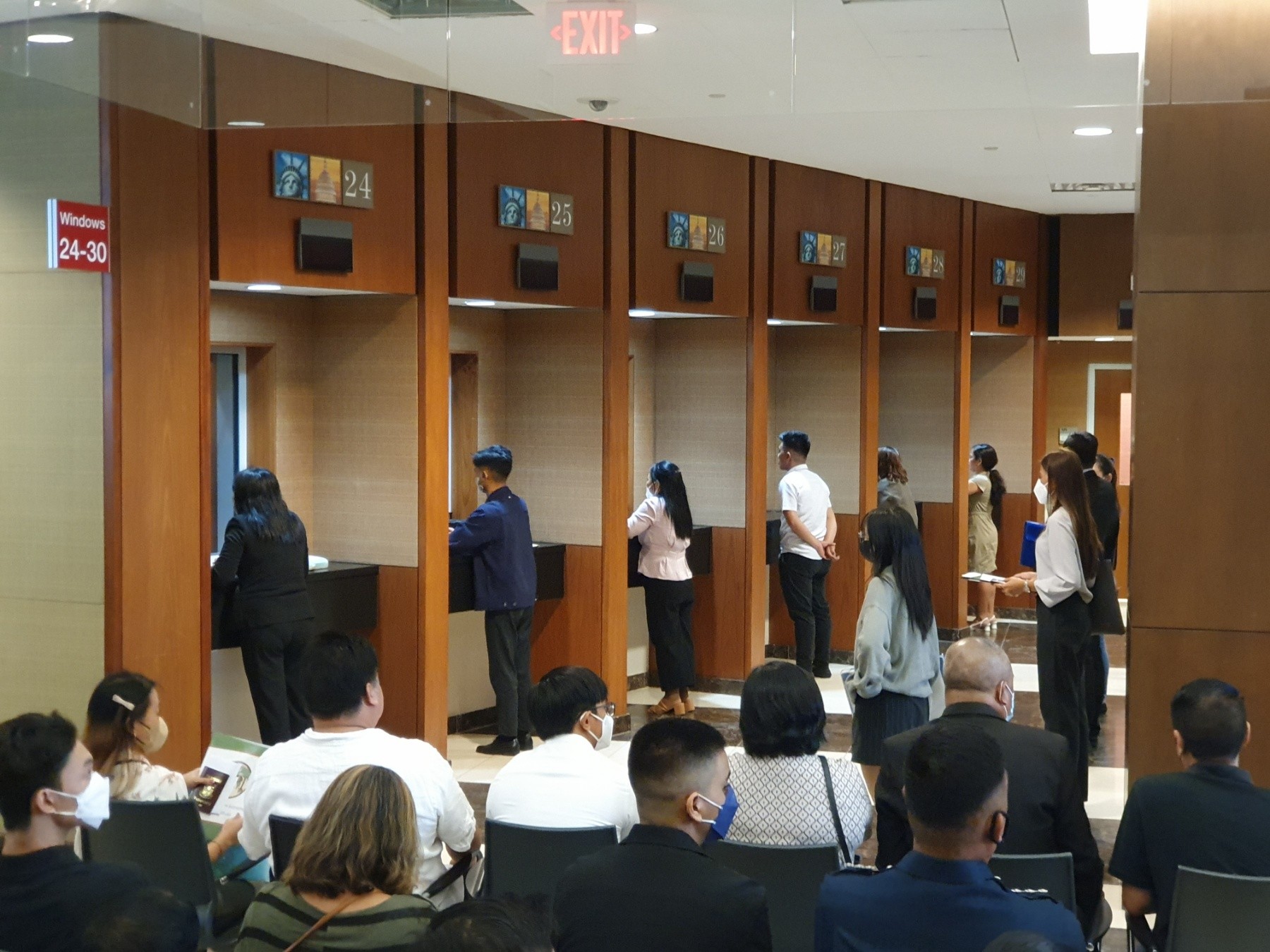
F1 visa interview wait times vary widely depending on embassy workload and seasonal demand.
Asia
| Country | Interview Wait Time | Post-Interview Processing |
|---|---|---|
| India | 4–10 weeks | 3–10 days |
| China | 3–8 weeks | 3–7 days |
| Philippines | 3–6 weeks | 3–7 days |
| Bangladesh | 4–8 weeks | 1–2 weeks |
| Pakistan | 6–12 weeks | 1–3 weeks |
Africa
| Country | Interview Wait Time | Post-Interview Processing |
|---|---|---|
| Nigeria | 6–12 weeks | 1–3 weeks |
| Ghana | 4–8 weeks | 1–2 weeks |
| Kenya | 3–6 weeks | 3–7 days |
Europe & Latin America
| Country | Interview Wait Time | Post-Interview Processing |
|---|---|---|
| United Kingdom | 2–4 weeks | 3–7 days |
| Germany | 3–6 weeks | 3–7 days |
| Brazil | 4–8 weeks | 1–2 weeks |
| Colombia | 3–6 weeks | 3–7 days |
These estimates reflect typical conditions in 2026 and may shift during peak academic seasons.
F1 Visa Interview: How It Affects Processing Time
The F1 interview is designed to assess academic intent, not immigration intent. Outcomes directly affect how long processing takes.
Visa officers typically evaluate:
- Academic background and chosen program
- University credibility
- Funding sources
- Ties to home country
- Clarity of study plans
Students with clear documentation and consistent answers often receive same-day approvals, while others may enter further review.
Administrative Processing for F1 Visas (221g Explained)
Administrative processing, commonly referred to as 221(g), is one of the main reasons F1 processing time extends beyond expectations.
Common Triggers in Student Cases
- STEM or research-intensive programs
- Advanced technology or laboratory work
- Gaps or changes in academic history
- Government or military-linked funding
- Inconsistencies between DS-160 and interview answers
Key Facts for Students
- Administrative processing is not a refusal
- Duration can range from weeks to several months
- Universities are accustomed to these delays
These reviews are coordinated by the U.S. Department of State, often with additional security screening.
Factors That Influence F1 Visa Processing Time
Several factors determine how quickly a student visa is finalized:
- Field of study (STEM vs non-STEM)
- Level of study (Bachelor’s, Master’s, PhD)
- University type and research focus
- Funding source and clarity
- Previous US travel history
- Accuracy of application details
- Embassy workload at time of application
Even strong applicants may experience delays due to factors beyond their control.
Can F1 Visa Processing Be Accelerated?
In limited situations, students may request expedited appointments, especially when program start dates are near.
Possible considerations include:
- Imminent course start dates
- Delayed I-20 issuance
- Embassy scheduling constraints
However, expedited interviews do not guarantee faster approvals, and administrative processing cannot be rushed.
What to Do If Your F1 Visa Is Delayed
If your student visa wait time exceeds expectations:
- Monitor your CEAC status periodically
- Respond promptly to any document requests
- Keep your university informed
- Discuss deferral options if necessary
- Avoid repeated embassy inquiries unless instructed
Most delays resolve without further action from the applicant.
People Also Ask: F1 Visa Processing Time (2026)
How long does F1 visa processing take after the interview?
Most students receive a decision within a few days to two weeks unless administrative processing is required.
Why is my F1 visa in administrative processing?
This usually involves additional security or academic verification, especially for STEM programs.
Does student visa processing time vary by country?
Yes. Interview availability and post-interview reviews vary by embassy.
Can STEM students face longer F1 processing times?
Yes. STEM fields are more likely to undergo additional review.
How late can I enter the US after F1 approval?
Students may generally enter the US up to 30 days before the program start date listed on the I-20.
Final Guidance for International Students
In 2026, F1 visa processing time remains manageable for most international students who apply early and prepare carefully. While delays can be stressful—especially close to academic start dates—they are often procedural rather than personal.
Clear documentation, accurate forms, and realistic expectations go a long way in ensuring a smooth process. For students facing extended delays or complex situations, informed guidance can help clarify next steps and reduce uncertainty.
Related Reading on US Visa Intel
- F1 Student Visa Explained – Study in the United States
https://www.usvisaintel.com/visa-types/f1-student-visa-explained-study-in-the-united-states/ - DS-160 Form Explained: How to Fill It Correctly
https://www.usvisaintel.com/visa-process/ds-160-form-explained-how-to-fill-it-correctly/